
Tactile Experience Design
Beaches
& Waves
A 3D-printed surface that lets you feel the ocean,
made for children who have never seen it.
Medium
3D Print · FDM
Context
Assistive Design
Scale
Prototype
Scroll
What does the ocean feel like
to someone who has
never seen it?
The beginning
I kept going to beaches. The rhythm of waves, the way the water pulls back and surges forward, it became something I took for granted.
Then I thought about children with visual impairments. For them, the ocean exists only as a description someone else gives. Sound gets close. Words don’t.
Touch might.

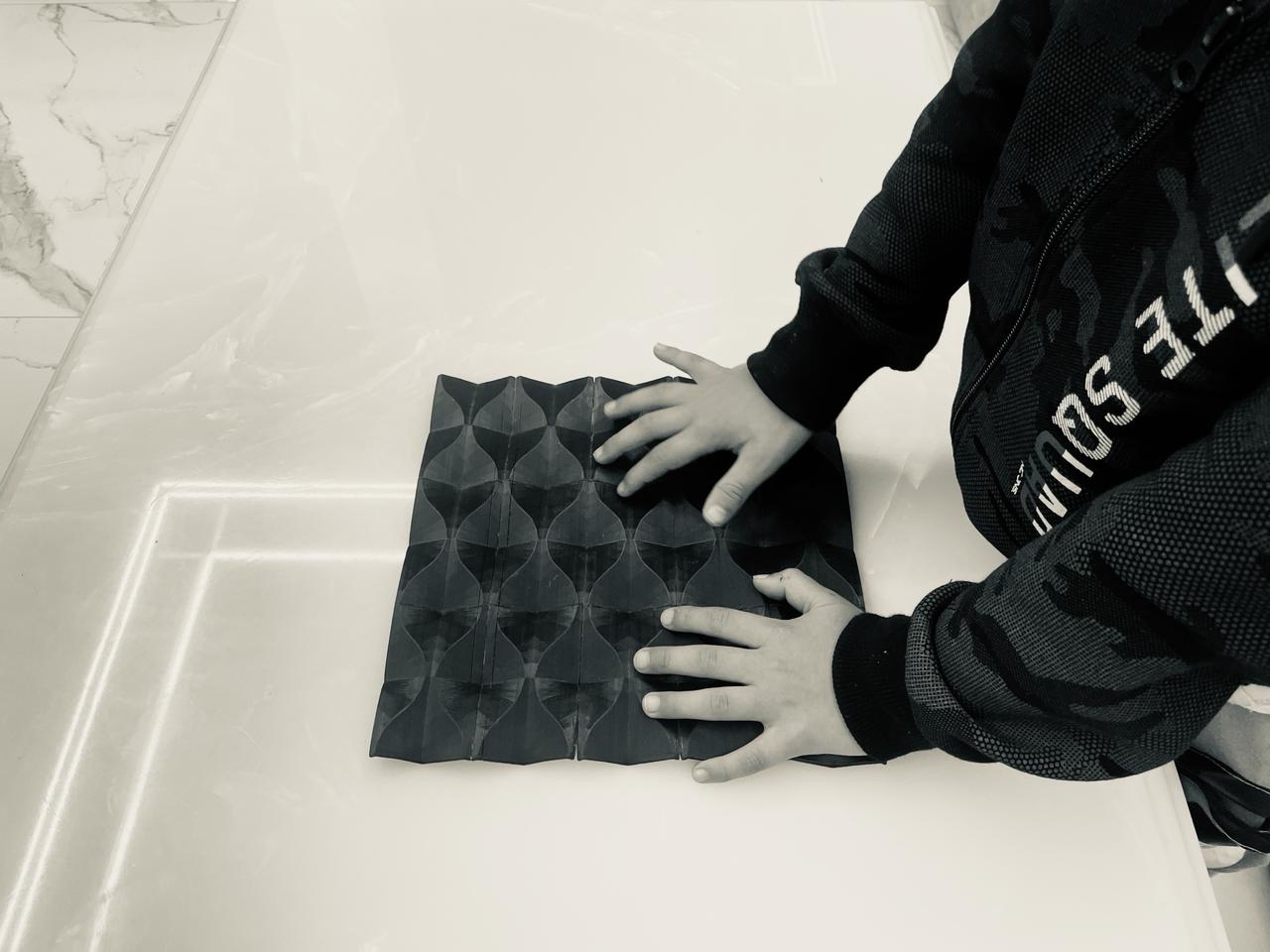
3D surface model — wave geometry translated into tactile form
The translation

Seen
The visual language of waves ~ depth, crest, rhythm. Something you absorb with your eyes without thinking.
Felt
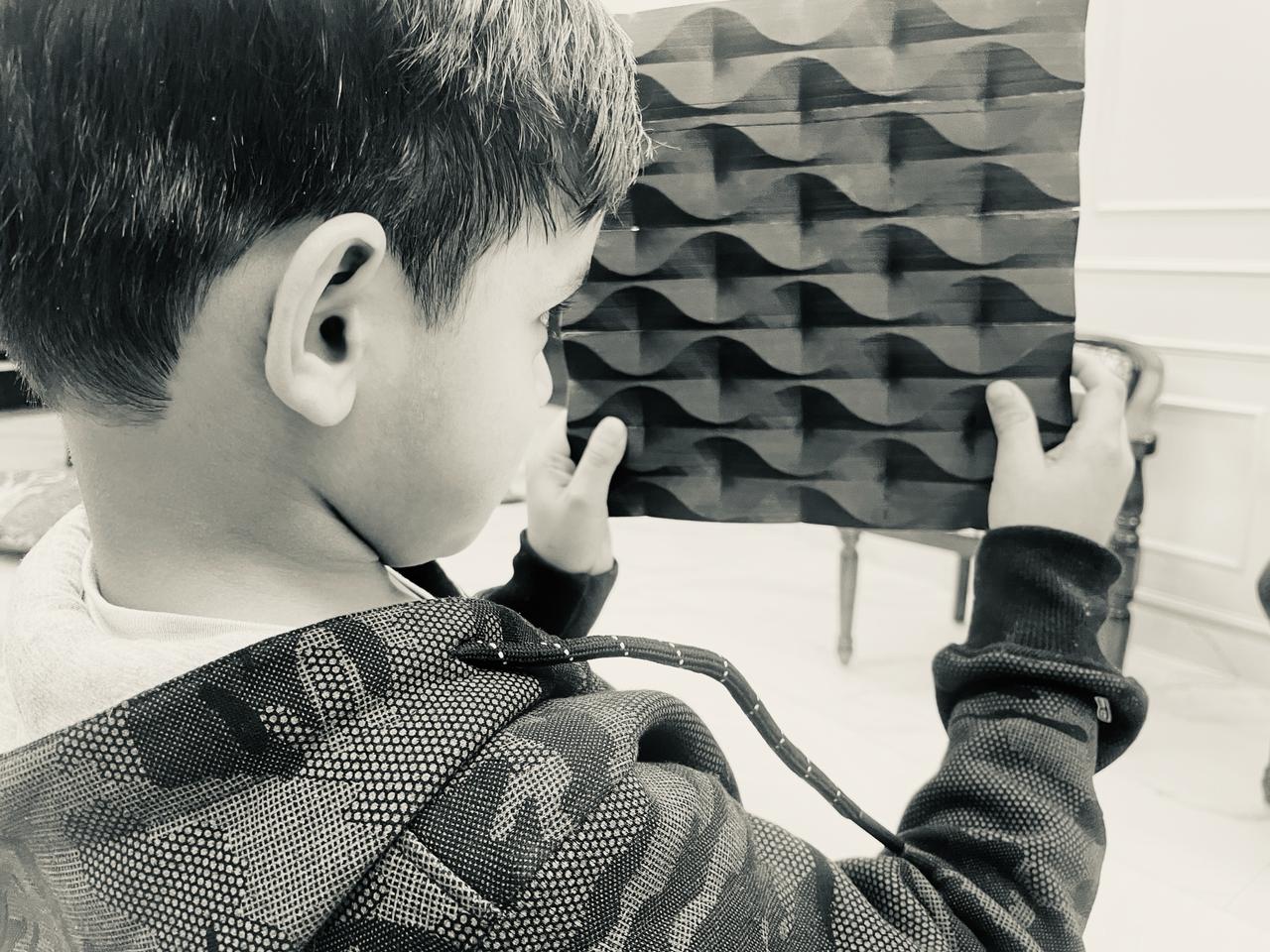
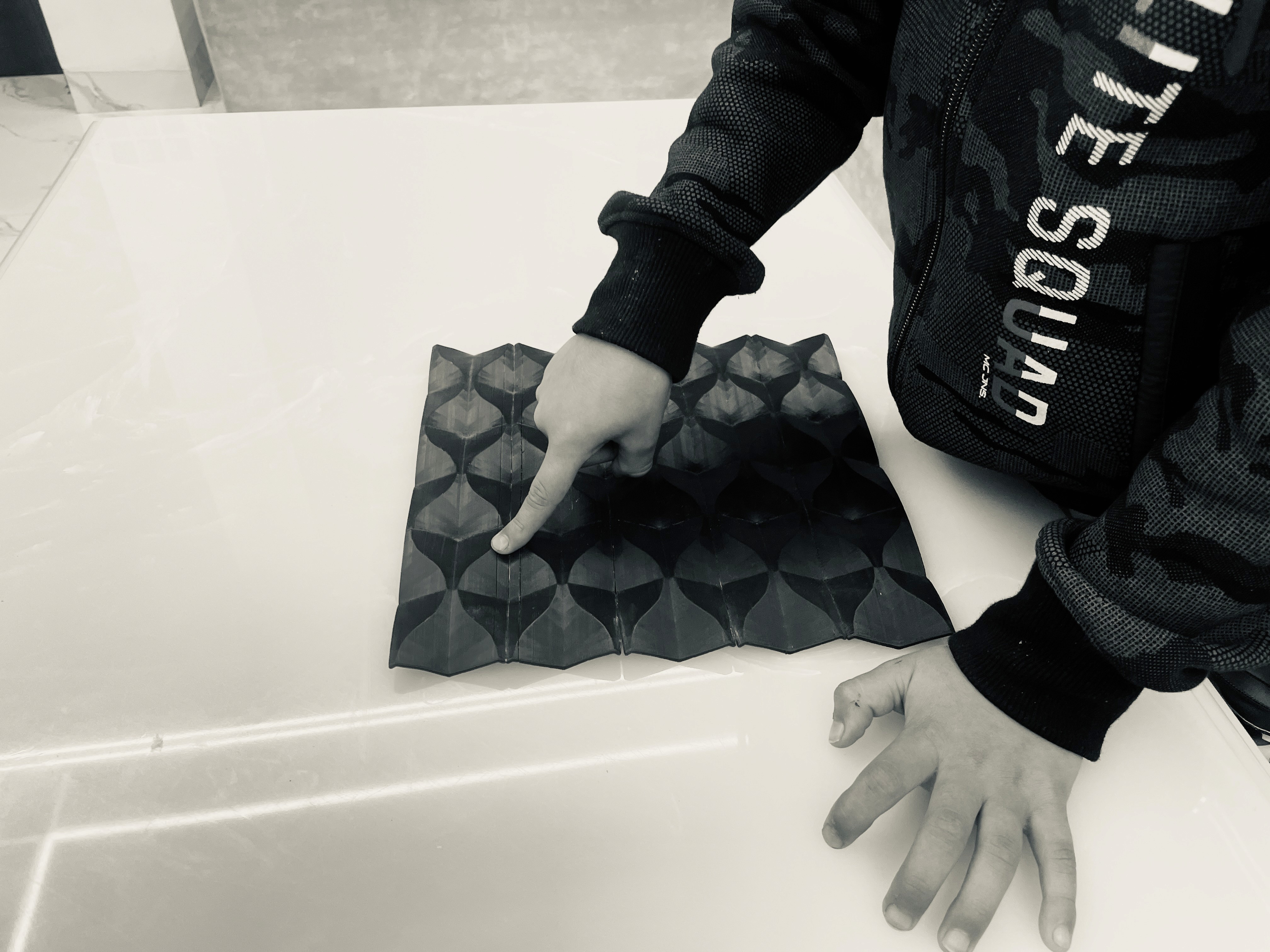
Ridge height, interval, curvature ~ the same rhythm encoded in PLA. Readable by touch alone.

How it was made
Imagined.
Modelled.
Printed.

Observe
Studying the geometry of ocean waves sucha as period, amplitude, the irregular calm of gentle surf.

Model
Translating wave rhythm into a parametric 3D surface, calibrated for tactile legibility, not visual accuracy.

FDM printed in matte PLA. Layer height and surface finish tuned for smooth, comfortable touch.
The moment
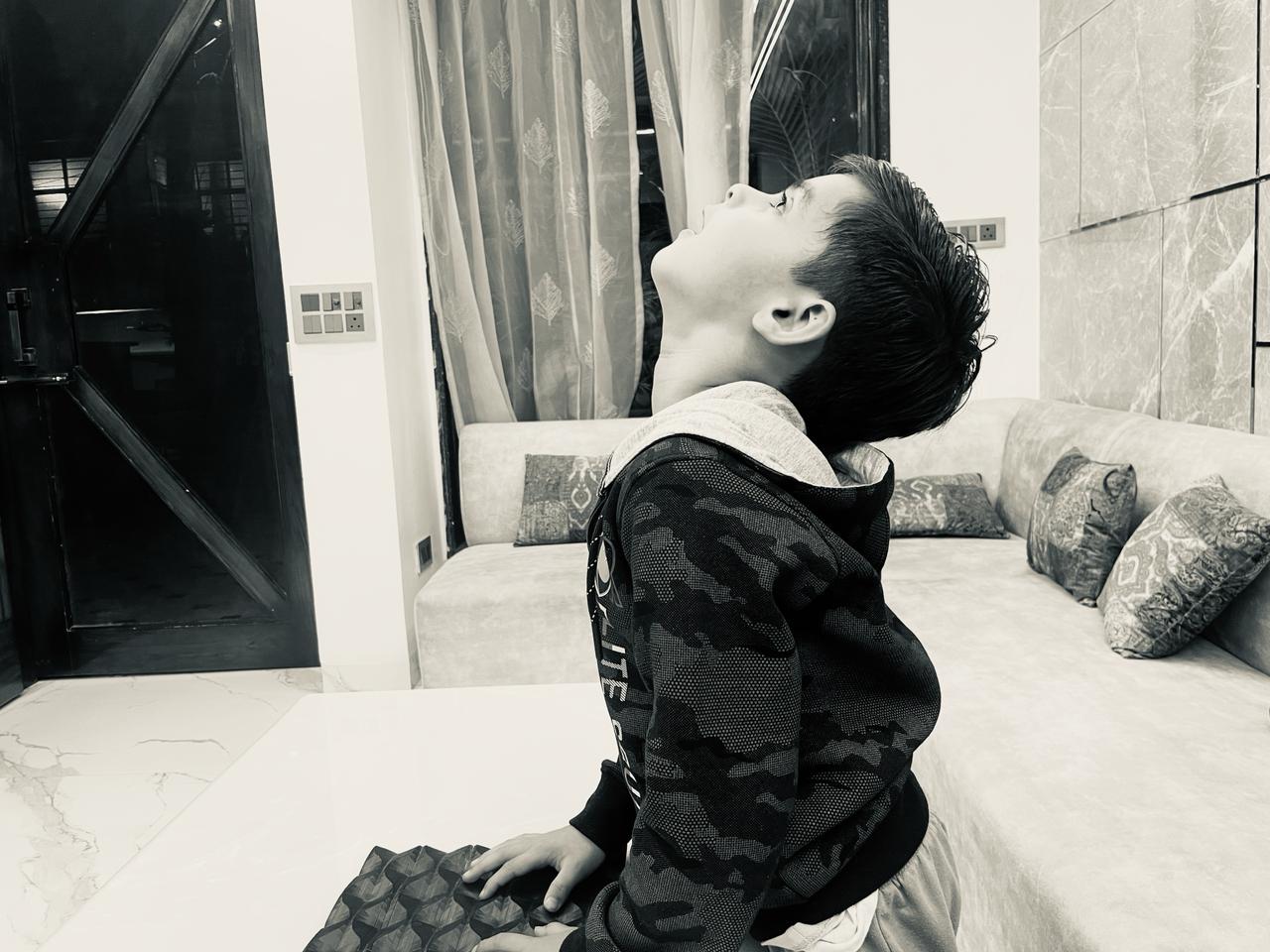
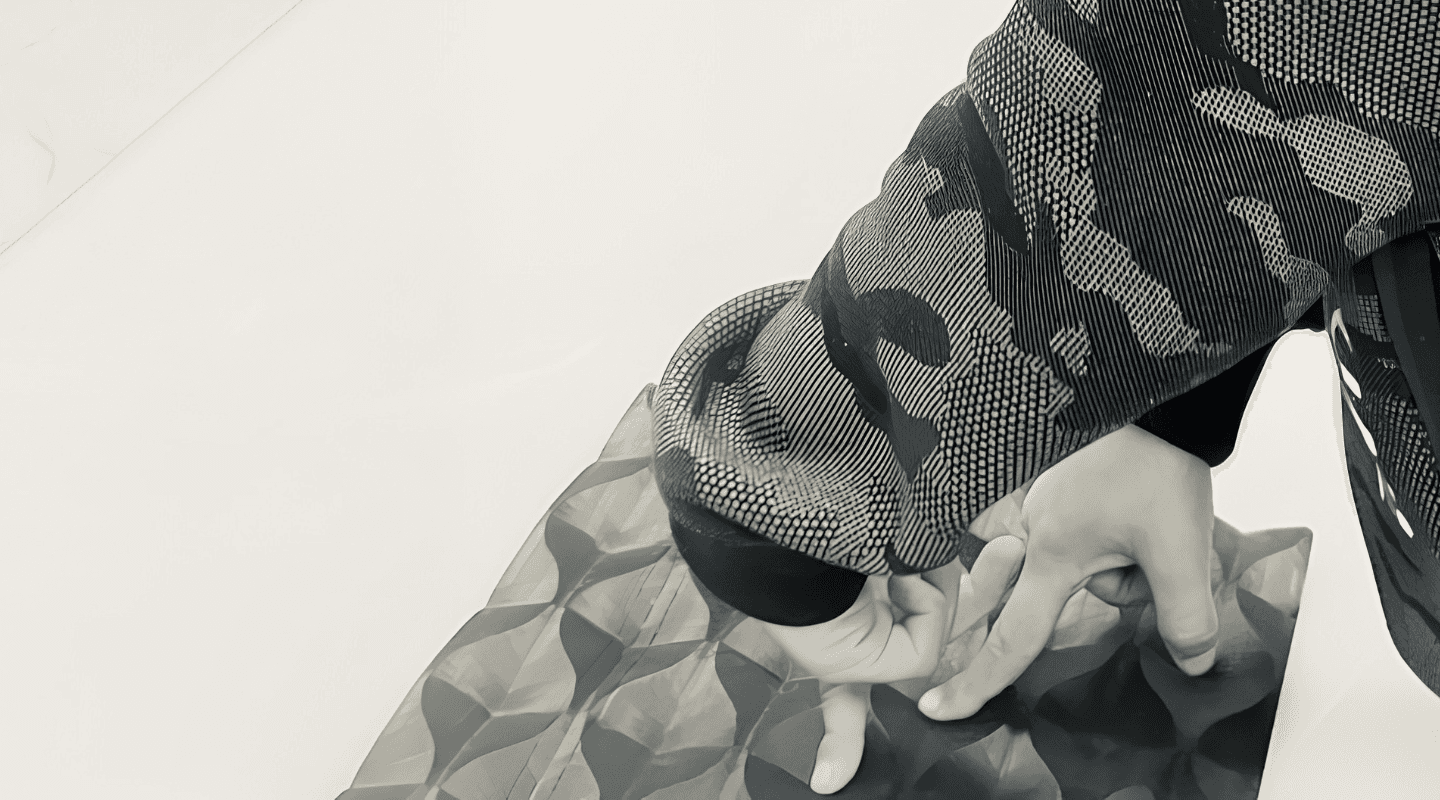
He closed his eyes, tilted his head back,
and let his hands read the water.
No instructions. Just the surface placed in front of him. He found his own way in, fingers tracing ridges, palms pressing into valleys, the way you do when you’re actually standing at the shore.
Reflection
This was a curiosity project. A question I asked myself, then couldn’t stop thinking about.
The object proved the translation is possible, not that it’s finished. Wave geometry works. What I don’t know yet is whether it works across different types of visual impairment, where tactile perception also varies.
It’s a small object. But the design question it opens is "how do you encode a sensory experience across a perceptual gap?" and it is the one question I keep returning to.
If taken further
A series of natural textures i.e., wind, rain, bark, sand ~ each encoded in a different tactile grammar.
Pairing the surface with directional audio so touch and sound reinforce the same experience.
Testing with children with varied visual impairments to understand how the design should respond to different tactile perception.
Touch is
a language.
Beaches & Waves — Series .OBJ
Tactile Design
Assistive Technology
3D Print
Sensory Inclusion